Research & Analysis
Share
WA
CEO & Editor-in-Chief


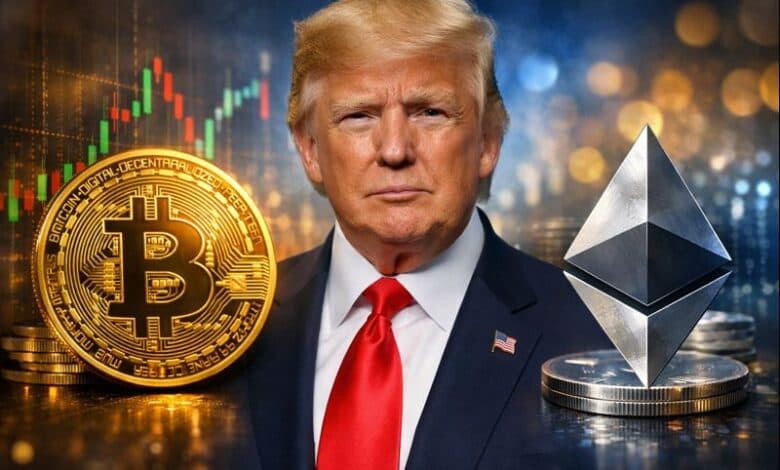
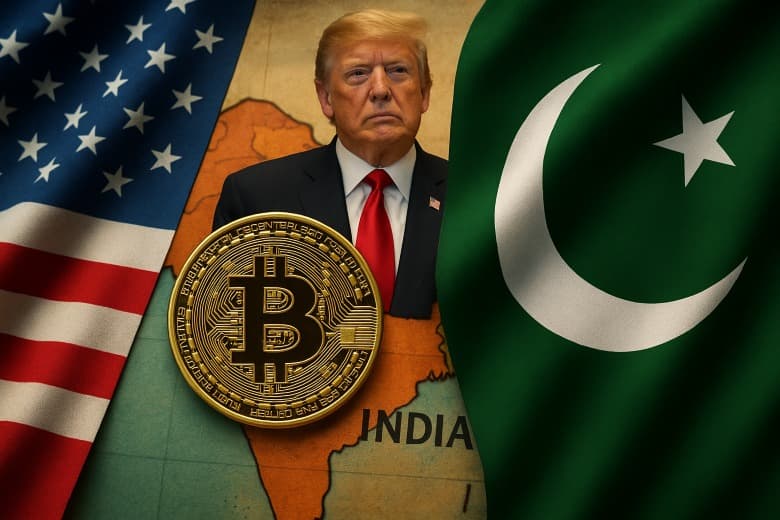
When President Donald Trump praised Pakistan over India, it wasn’t just political theater—it signaled a deeper strategic realignment. Islamabad is weaving crypto and digital asset policy into the fabric of energy, trade, governance, and foreign relations. The result: a surge in U.S. goodwill, global attention, and a shift in South Asian power dynamics.
Pakistan’s blockchain and digital asset journey didn't start in 2025—it was seeded earlier:
These milestones laid essential groundwork for the state-level ambitions that followed.
In the past eight months, Pakistan moved from pilots to policies:
These steps represent more than regulation—they are institutional infrastructure to support economic and geopolitical strategy.
The U.S. has responded with a more favorable stance toward Islamabad than Delhi:
This reflects Washington’s policy of rewarding alignment and penalizing autonomy.

Disclaimer of Warranty
The information provided in this article is for general informational purposes only. We make no warranties about the completeness, reliability, and accuracy of this information. Read full disclaimer
India remains South Asia’s economic powerhouse, but its crypto stance has been marked by high taxation, strict regulation, and hesitation to embrace digital assets beyond speculation. While Delhi promotes homegrown innovations like UPI and ONDC, it has yet to frame crypto as strategic infrastructure.
The contrast is clear: Pakistan is aligning crypto with U.S. priorities and forging new alliances, while India is still “debating the gender of angels.”
India’s pursuit of strategic autonomy is drawing consequences:
By contrast, Pakistan’s regulatory speed and geopolitical alignment make it an easier and more attractive partner.
This pivot isn’t only financial—it’s geopolitical. By rewarding Pakistan’s alignment, Trump is simultaneously pressuring India for its independent streak, particularly its discounted oil deals with Russia and attempts at non-dollar settlements.
Crypto has become both symbolic and functional in this balancing act. Pakistan’s willingness to integrate digital assets into its national strategy has bought it space and favor. India’s hesitation, by contrast, has left it exposed to tariffs and pressure.
The question is whether Pakistan’s digital asset strategy will endure as sustainable infrastructure—or whether it is, for now, an opportunistic product of geopolitical rivalry. Either way, crypto has shifted from industry to statecraft in South Asia, and the balance of power is adjusting accordingly.

Editor's Picks
UAE Stablecoins: Why They Are Built to Travel, Not Stay Local

Walid Abou Zaki

Feb 28, 2026

8 min

The Central Bank of the UAE Clearing the Noise Around Article 62
Walid Abou Zaki
Feb 25, 2026
5 min
Europe’s Crypto Purge: Did Lithuania Just Kick Out Innovation — and is the UAE the Beneficiary?
Salma Naueihed
Feb 18, 2026
7 min
Read More Articles

In the Same Space

Metaplanet Launches Two Subsidiaries and Invests in Stablecoin Firm JPYC
News Desk
Mar 12, 2026
4 min
Investors Sue JPMorgan Over Alleged Role in $328M Cryptocurrency Fraud
News Desk
Mar 12, 2026
4 min
CBUAE Allows Case-by-Case Offshore Disaster Recovery for Banks
Walid Abou Zaki
Mar 12, 2026
4 min

Binance Sues Wall Street Journal Over Iran-Related Investigation Report
News Desk
Mar 12, 2026
2 min